
Medical & cleaning technology
PROCESS RELIABILITY DOWN TO THE LAST DETAIL.
NICELY SOLVED.
Medical and cleaning technology place high demands on precision, process reliability, and reproducible quality. Intricate geometries, challenging materials, sensitive functional surfaces, and a wide variety of variants require manufacturing processes in which workpieces are reliably positioned and clamped with as little deformation as possible. Whether hip shells, dental drills, turbines, or precision plates: what matters most is a clamping technology that can precisely handle even complex components while also providing the necessary accessibility for machining, assembly, and automated handling.
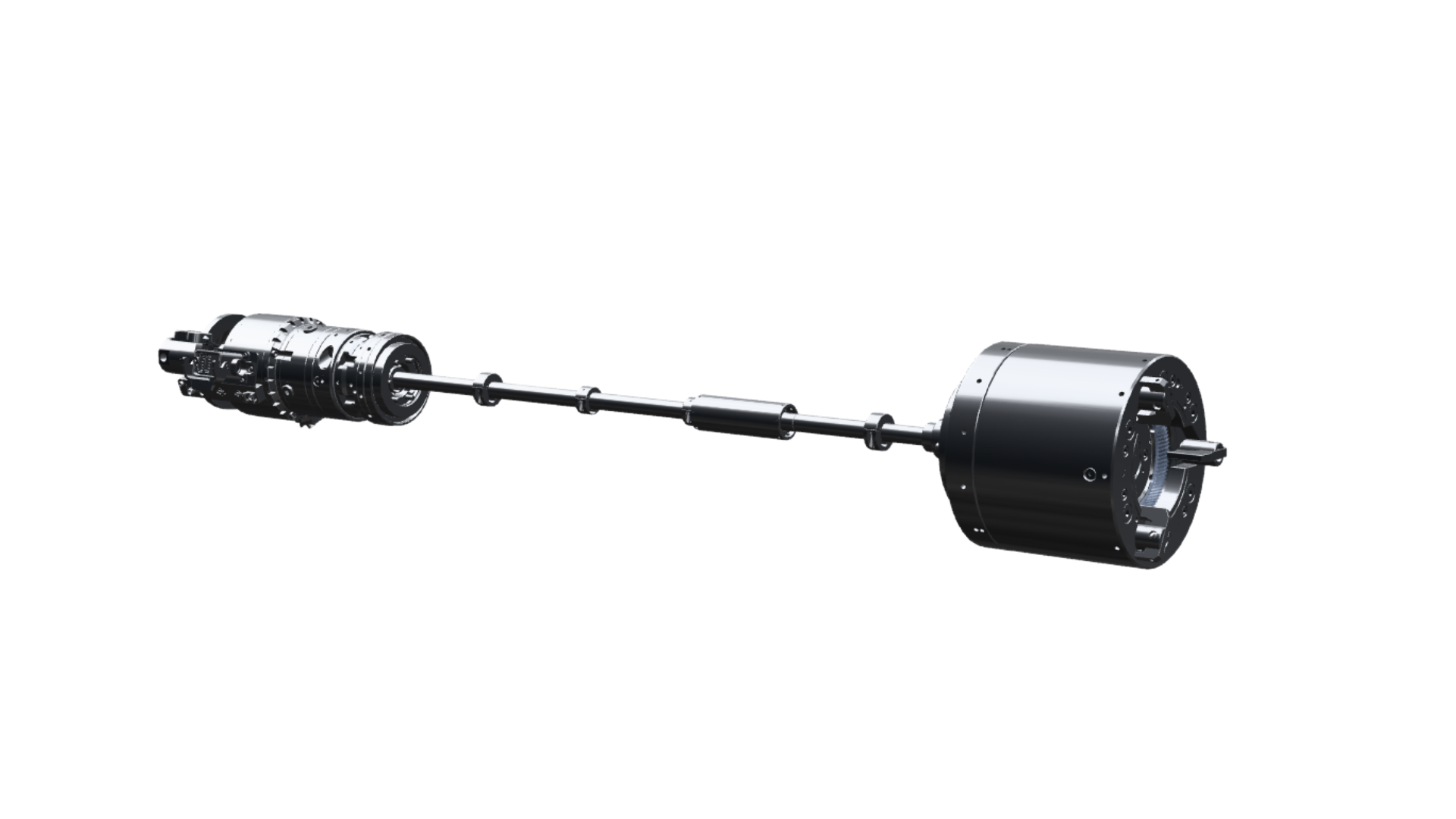
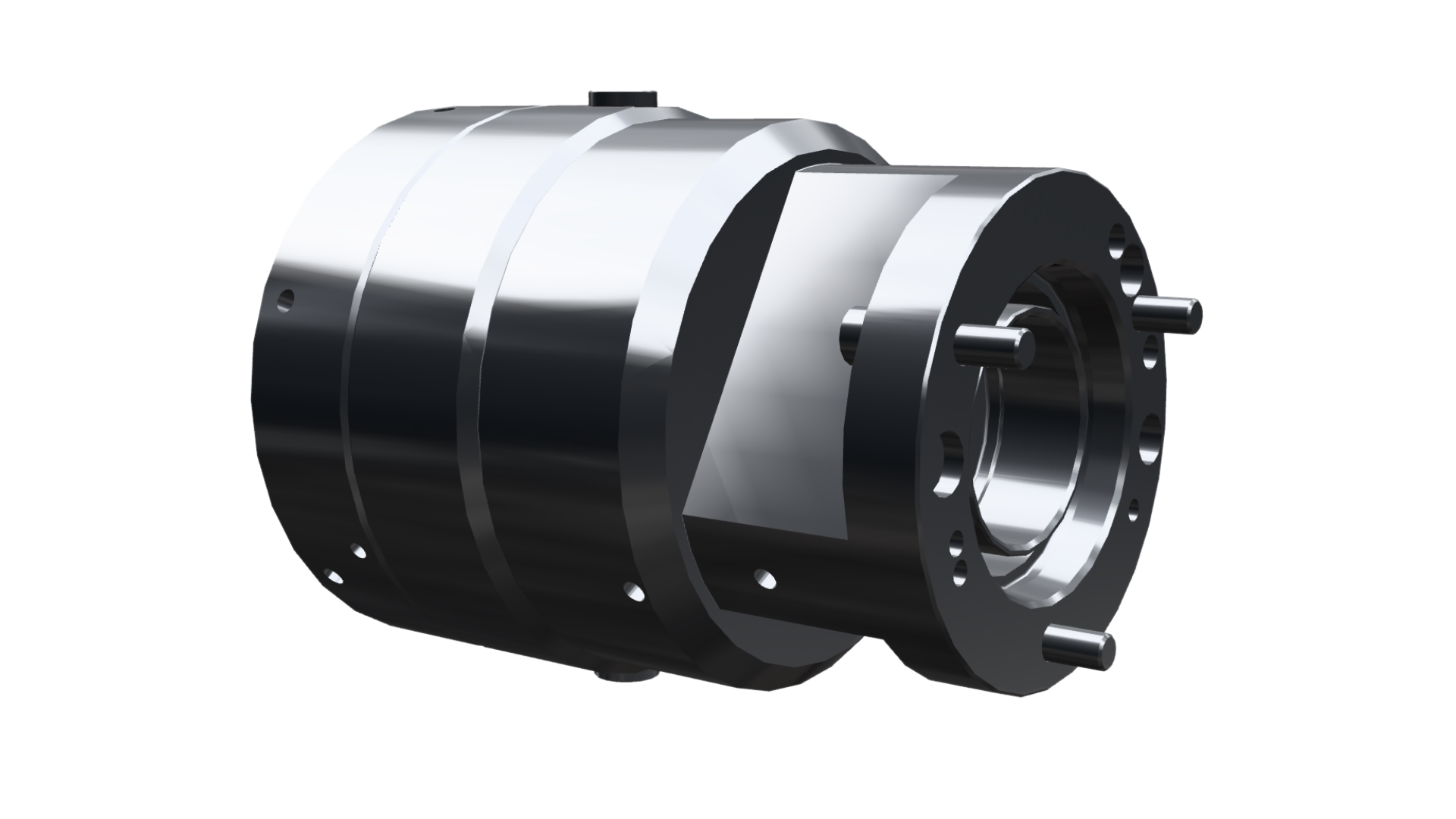
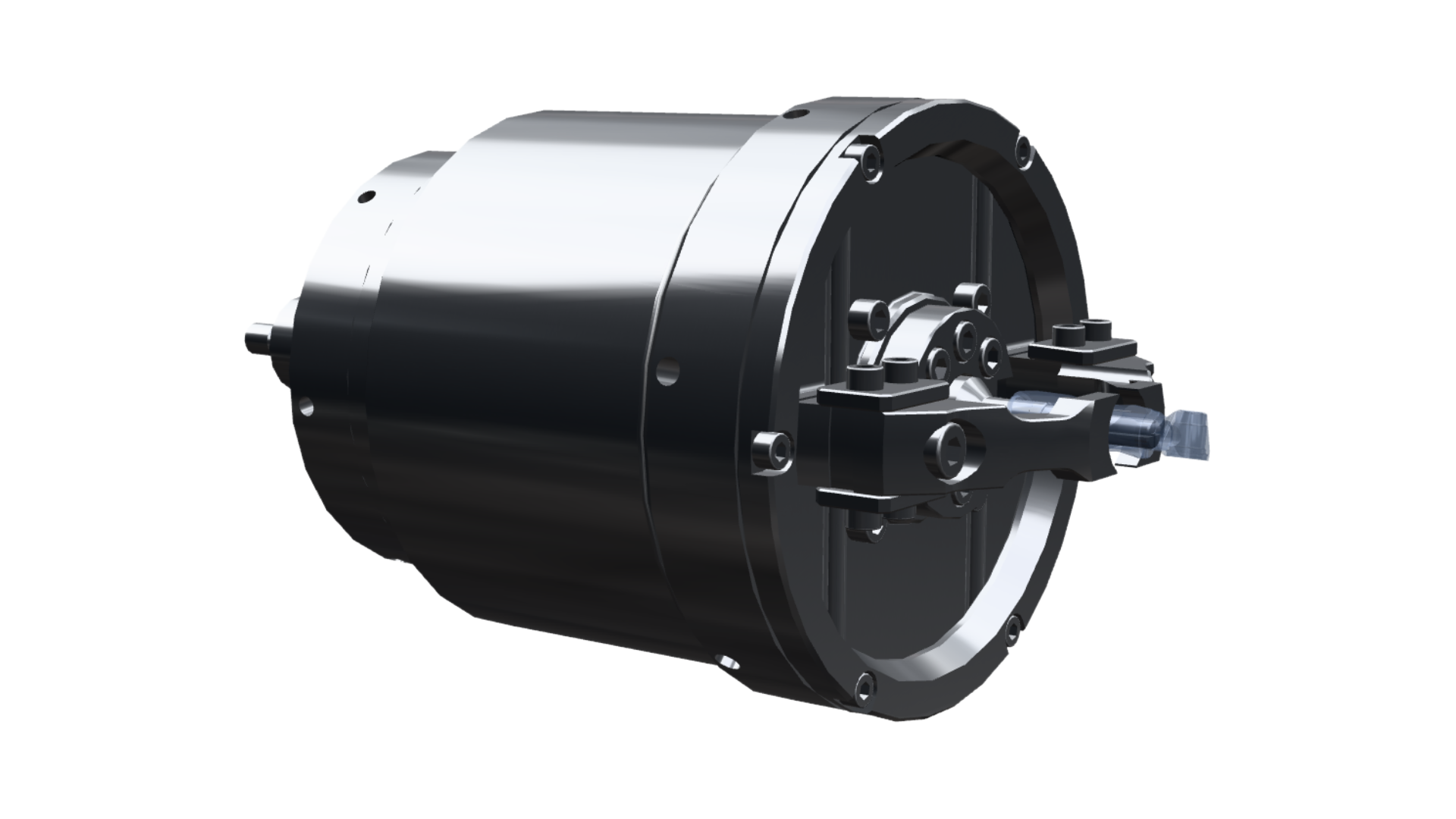
STERMAN consistently develops customized clamping systems and production technology based on workpiece geometry and the manufacturing process. Depending on the application, the focus is on centering with micrometer precision, gentle and low-deformation force transmission, secure workpiece clamping, high repeatability, or the integration of multiple process steps. The solutions include, among others, diaphragm chucks, collet chucks, vacuum clamping systems, and other precision mechanical clamping systems, as well as fixtures and automated special-purpose machines. For particularly demanding requirements regarding position and accuracy, PICEA also offers the option of detecting the workpiece position and actively correcting it with a control resolution of up to 0.5 μm.
CUSTOMIZED: LIKE THE WORKPIECE ITSELF.
We develop and manufacture our clamping and machining solutions in the same way that high-precision individual parts meet the highest demands in innovative applications: with micrometer precision, smart and precisely tailored to your needs.
Development partner from concept to commissioning.
Whether it’s a new machine, a retrofit, or the modification of existing machine tools, STERMAN supports projects from the initial idea and design through engineering, manufacturing, and assembly to commissioning—and, upon request, well beyond that. With a vertical integration rate of over 85 percent, our solutions are primarily manufactured at our facility in St. Georgen in the Black Forest. For an initial clamping concept, a workpiece drawing and the essential information about the machining process are usually sufficient.


MADE IN THE BLACK FOREST. STERMAN ENGINEERING FOR MEDICAL.
Custom clamping systems, fixtures, and machines for demanding applications in medical and industrial cleaning technology around the world.
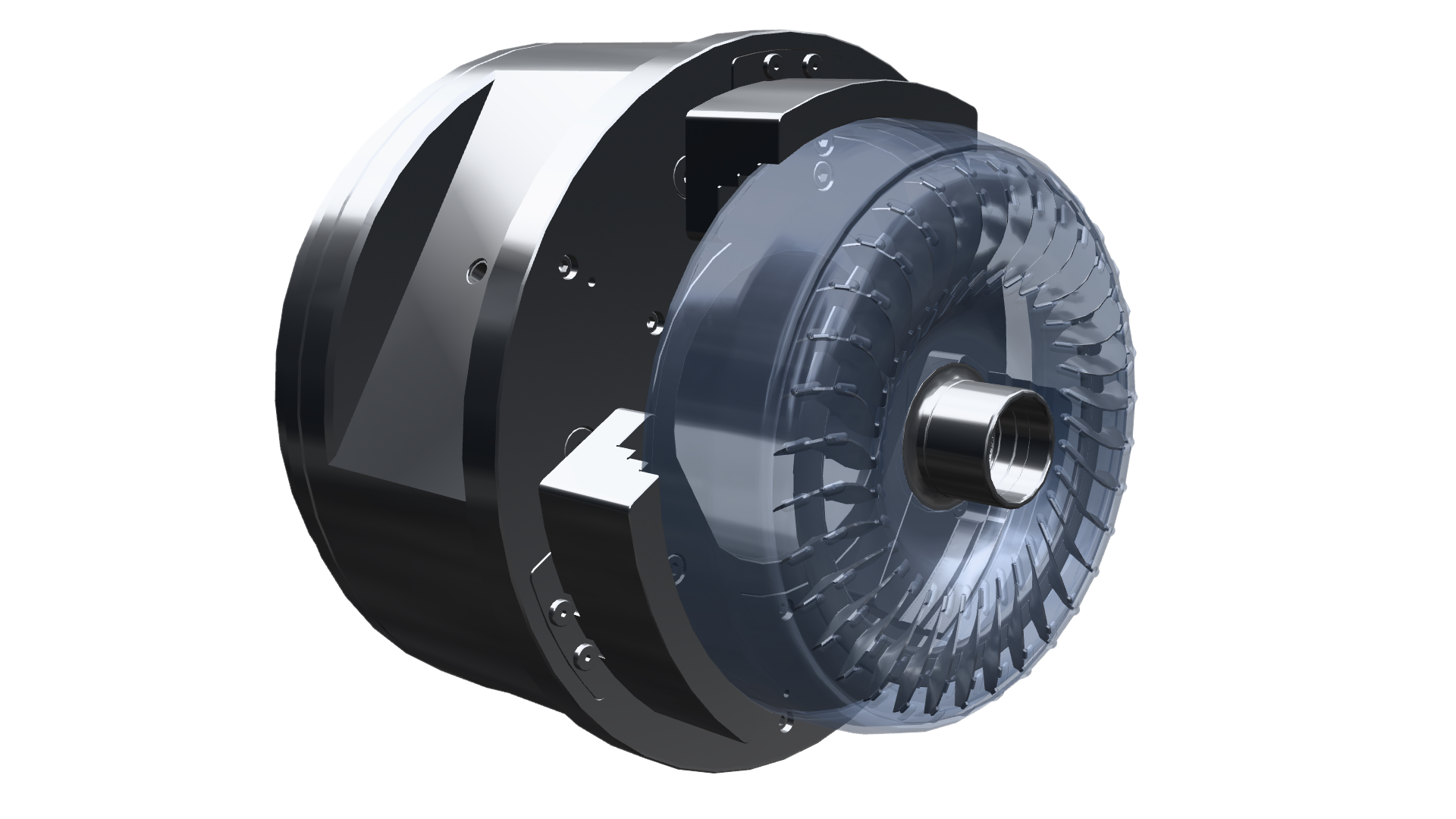
Specific applications demonstrate the breadth of this expertise: For Aesculap, STERMAN is implementing a vacuum clamping system with two clamping positions for the high-precision machining of hip sockets in the micrometer range. For BENZINGER, STERMAN diaphragm chucks are used in the machining of hip nails with micrometer-level precision. STERMAN also develops specific solutions for demanding industrial cleaning processes: For SILBERHORN, a corrosion-resistant and sealed clamping system was developed for the industrial cleaning of various automatic transmission units.




STERMAN Expert Knowledge:
FAQ – Medical & Cleaning Technology
What makes the clamping of medical device components particularly challenging?
Medical technology components often combine complex or intricate geometries with high requirements for dimensional accuracy, surface quality, and reproducible quality—frequently in challenging materials or combinations of materials. Clamping technology must therefore position the workpiece precisely and hold it securely without unnecessarily deforming or compromising sensitive geometries or functional surfaces.
Which clamping systems are suitable for precision medical components?
That depends on the workpiece and the machining operation. STERMAN uses, among other things, diaphragm chucks, collet chucks, vacuum clamping systems, and other custom-designed precision clamping systems. Key factors include force transmission tailored to the workpiece, reproducible positioning, and the necessary accessibility for machining. In medical applications, it is often necessary to accommodate a wide range of different workpiece types within a single clamping solution.
What additional requirements does industrial cleaning technology place on a clamping system?
Precise clamping alone is not sufficient here. Depending on the cleaning process, clamping systems must also be corrosion- and chemical-resistant, provide a reliable seal, and be designed for the respective process conditions. At the same time, the workpiece must be securely held in place and remain accessible for the cleaning process. STERMAN takes these requirements into account right from the start in the design, material selection, and configuration of the clamping system.
Which medical device components can be clamped individually?
Among other things, STERMAN develops solutions for hip sockets, implants, hip nails, dental drills, and other high-precision medical components. Since geometry, materials, and machining requirements can vary greatly, the clamping solution is developed specifically for each workpiece and process.
How does clamping technology affect surface and component quality?
An immediate one. Even minor clamping or positioning errors can affect concentricity, form and positional tolerances—and thus also the machining result. The design of the clamping surfaces that come into contact with the workpiece is also crucial: Unsuitable clamping contours or contact surfaces can cause indentations, damage, or unwanted marks on sensitive surfaces. An optimally tailored clamping solution reduces workpiece deformation and creates reproducible conditions for the required surface and component quality. Especially for sensitive precision components, clamping technology thus becomes a key factor in achieving the desired component quality.